

When the Brain Runs on Empty: The Connection Between B-Vitamins, Vitamin C, Tyrosine, Organic Acids and Cognitive Function
Understanding the biochemical links between nutrient insufficiency, fatigue, cognitive impairment and ADHD symptoms.
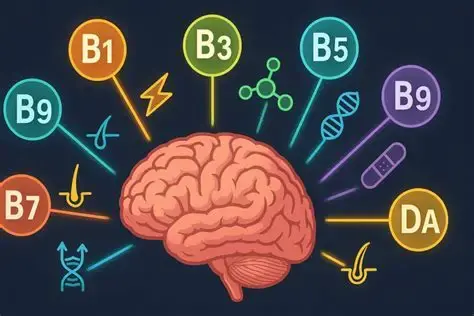
Fatigue, poor concentration, forgetfulness, mental "fog," low motivation and difficulty sustaining attention are among the most common complaints encountered in nutritional practice. They are also symptoms that can be particularly difficult to interpret because they are not specific to any one condition.
A person may describe being exhausted despite sleeping eight hours, struggling to find words, losing their train of thought during conversations, rereading the same paragraph repeatedly, procrastinating on tasks requiring sustained mental effort, or feeling as though their brain simply does not have enough "fuel."
These symptoms can occur with ADHD, anxiety, depression, sleep disorders, hormonal disturbances, iron deficiency, thyroid dysfunction, chronic illness and many other conditions. Nutritional insufficiency is another important consideration.
The brain has an exceptionally high metabolic demand. It requires continuous production of ATP, neurotransmitters, phospholipids and antioxidant protection. Several B vitamins, vitamin C and amino acids such as tyrosine participate directly or indirectly in these processes. When nutritional status is inadequate, the consequences may appear first as subtle changes in energy, concentration, mood and cognitive performance rather than as an obvious deficiency disease.
This is where functional nutrition assessment and urinary organic-acid testing can provide an additional layer of information.
The brain's dependence on micronutrients
Vitamins are sometimes discussed as though they are simply "immune boosters." Biochemically, their roles are considerably more fundamental.
Thiamine, riboflavin, niacin, pyridoxine, pantothenic acid and cobalamin participate in interconnected pathways involved in glucose metabolism, mitochondrial energy production, amino-acid metabolism, methylation, neurotransmitter synthesis and nervous-system function. Vitamin C contributes to antioxidant defence and neurotransmitter-related processes, while tyrosine provides the amino-acid substrate from which dopamine and noradrenaline are produced.
A comprehensive review of vitamins and minerals involved in energy metabolism and cognition concluded that B vitamins and vitamin C are involved in pathways relevant to energy production, neuronal function, psychological processes and mental and physical fatigue (Tardy et al., 2020).
Thiamine: the brain's carbohydrate-metabolism cofactor
Thiamine, or vitamin B1, is particularly important when discussing mental energy.
The active form, thiamine diphosphate, is required by several enzymes involved in glucose, amino-acid and lipid metabolism. Because the brain depends heavily on glucose metabolism, impaired thiamine availability can compromise neuronal energy production.
Early thiamine deficiency can include confusion, short-term memory impairment, anorexia, weight loss and weakness. Severe deficiency can produce Wernicke encephalopathy and Korsakoff syndrome, conditions in which neurological and cognitive impairment can become profound.
This is a useful reminder that nutritional deficiencies do not necessarily present as a single textbook symptom. A person with marginal nutritional status may simply describe poor mental stamina, low resilience to stress or persistent fatigue.
From a functional perspective, thiamine is therefore particularly interesting when cognitive complaints occur alongside poor carbohydrate tolerance, inadequate dietary intake, prolonged illness, alcohol exposure, gastrointestinal problems or other factors that can increase nutritional vulnerability.
Importantly, urinary thiamine or other laboratory measures can be useful in specific circumstances, but an organic-acid profile should not be treated as a standalone diagnostic test for thiamine deficiency.
Riboflavin: the mitochondrial connection
Riboflavin, vitamin B2, is converted into the coenzymes FMN and FAD. These are essential to numerous oxidation-reduction reactions and mitochondrial pathways involved in ATP production.
Riboflavin also has an interesting relationship with other B vitamins. FAD is required for the conversion of tryptophan to niacin, while FMN participates in the conversion of vitamin B6 into its active coenzyme form.
This means that nutritional biochemistry is not simply a collection of isolated nutrients. One nutrient can influence the activation or utilisation of another.
Severe riboflavin deficiency is uncommon in developed countries, but when deficiency occurs, it can affect the nervous system and impair the metabolism of other nutrients. Prolonged deficiency may also be associated with anaemia and other systemic manifestations.
This is one reason practitioners sometimes pay attention to organic-acid patterns involving metabolites associated with flavin-dependent pathways. Such patterns may provide useful hypotheses, but they should not be interpreted as definitive evidence of B2 deficiency without corroboration.
Niacinamide: NAD, cellular energy and the nervous system
Niacin, vitamin B3, exists in several forms, including nicotinamide (niacinamide). Its importance to energy metabolism comes largely from its role as a precursor to NAD and NADP, molecules central to cellular oxidation-reduction reactions.
Severe niacin deficiency produces pellagra. Although pellagra is uncommon in well-nourished populations, its neurological manifestations are a striking demonstration of the relationship between vitamin B3 status and brain function.
Niacin deficiency can cause fatigue, headache, depression, apathy, memory loss, confusion and, in advanced cases, hallucinations and severe behavioural disturbance (National Institutes of Health [NIH], 2022).
It is also worth remembering that the body can synthesise niacin from tryptophan, and that riboflavin and vitamin B6 participate in pathways associated with this conversion. Consequently, poor intake or status of one nutrient can influence the functional availability of another.
These interconnections are one reason a broad nutritional assessment is often more informative than focusing on one vitamin in isolation.
Pyridoxine and the neurotransmitter pathway
Vitamin B6 is perhaps one of the most directly relevant nutrients when discussing neurotransmitter biochemistry.
Pyridoxine is one member of the B6 family. Its active coenzyme forms, particularly pyridoxal-5'-phosphate (PLP), participate in more than 100 enzymatic reactions.
Among these are reactions involved in amino acid metabolism and neurotransmitter biosynthesis. B6 also participates in glucose metabolism, haemoglobin production and homocysteine metabolism.
This gives B6 a plausible biochemical relationship with concentration, mood and cognitive function.
B6 deficiency can be associated with depression, confusion, dermatitis, anaemia and neurological manifestations.
Organic acids and B6
One of the more interesting functional markers is xanthurenic acid, a metabolite in the kynurenine pathway of tryptophan metabolism.
B6-dependent enzymes participate in this pathway, and urinary xanthurenic acid has been studied as a potential indicator of B6 status, particularly under conditions such as a tryptophan challenge. However, xanthurenic acid is influenced by more than B6 alone, meaning that it should be interpreted as part of a biochemical pattern rather than as a simple "B6 deficiency test."
Pantothenic acid: CoA and cellular energy
Pantothenic acid, or vitamin B5, is a precursor of coenzyme A (CoA), making it fundamental to fatty-acid metabolism and numerous energy-producing pathways.
True B5 deficiency is rare because pantothenic acid occurs in a wide variety of foods. Experimentally induced deficiency, however, has been associated with fatigue, irritability, restlessness, sleep disturbance, headache and gastrointestinal symptoms (NIH, 2026).
This is another example where the clinical context matters.
If a nutritional assessment suggests broad dietary insufficiency, gastrointestinal dysfunction or multiple micronutrient inadequacies, B5 may be part of the overall picture.
Adenosylcobalamin: the B12 connection
Adenosylcobalamin is one of the metabolically active forms of vitamin B12. Along with methylcobalamin, it participates in critical biochemical reactions.
B12 is required for normal central nervous system development and function, DNA synthesis and red blood cell formation. Adenosylcobalamin is the cofactor form used by methylmalonyl-CoA mutase, an enzyme that converts methylmalonyl-CoA into succinyl-CoA.
This pathway is particularly relevant to organic-acid testing.
Methylmalonic acid: one of the most useful connections
When B12-dependent methylmalonyl-CoA metabolism is impaired, methylmalonic acid (MMA) can accumulate.
Elevated MMA is therefore a recognised functional marker of B12 status. Serum MMA is considered particularly useful when serum B12 is borderline, although MMA can also be influenced by factors such as renal impairment.
Urinary MMA can also be measured, but the interpretation of urinary organic acids should be distinguished from the more established clinical use of serum/plasma B12 and MMA testing.
B12 deficiency is clinically important because fatigue may occur alongside neurological symptoms such as paraesthesia, balance problems, cognitive changes, confusion and memory impairment. Neurological manifestations can occur even in the absence of obvious anaemia.
Vitamin C: more than an antioxidant
Vitamin C is often discussed primarily in relation to immune health, but its functions extend considerably further.
It participates in collagen synthesis, iron absorption, antioxidant protection and several biochemical reactions important to normal physiology. Severe deficiency produces scurvy, but fatigue and malaise can occur before the classic connective-tissue manifestations become obvious.
There is also evidence connecting vitamin C deficiency with neuropsychiatric symptoms.
A systematic review examining the neuropsychiatric consequences of vitamin C deficiency found evidence linking deficiency with depression and cognitive impairment, although the studies varied considerably in their methods of assessing vitamin C status (Travica et al., 2020).
Tyrosine: the raw material for catecholamines
Tyrosine is an amino acid rather than a vitamin, but it belongs in this discussion because of its relationship with dopamine and noradrenaline.
Tyrosine is a precursor for catecholamine neurotransmitters, including dopamine and norepinephrine. These neurotransmitter systems are important in attention, motivation, arousal, working memory and executive function.
Research on supplemental tyrosine has produced an interesting pattern.
In healthy people exposed to acute cognitive stress, cold, sleep deprivation or demanding multitasking conditions, tyrosine supplementation has improved aspects of working memory or cognitive performance.
The biochemical relationship is nevertheless interesting: if neurotransmitter synthesis is being discussed, adequate protein intake and availability of amino-acid precursors form part of the nutritional foundation.
Where ADHD fits into the picture
ADHD is a neurodevelopmental disorder with complex genetic, neurological, environmental and developmental determinants. It should not be reduced to a vitamin deficiency.
At the same time, nutrition can influence brain function, and nutritional deficiencies can produce symptoms that overlap with ADHD—particularly poor concentration, fatigue, irritability, low motivation and impaired cognitive performance.
Research into micronutrients and ADHD has found associations between ADHD and some nutrient-status differences, particularly involving iron, zinc, magnesium and vitamin D. However, the evidence does not establish these deficiencies as universal causes of ADHD.
Research into broad-spectrum micronutrient interventions is also developing. A 2026 randomised controlled trial and extension study reported improvements in ADHD-associated symptoms with micronutrient treatment.
Putting the pieces together
Consider the person who presents with:
persistent fatigue;
poor working memory;
difficulty sustaining attention;
low motivation;
brain fog;
afternoon cognitive crashes;
ADHD symptoms or an existing ADHD diagnosis;
and an OAT showing several abnormalities interpreted as possible B-vitamin or mitochondrial insufficiency.
For example, if methylmalonic acid is elevated, B12 status deserves proper assessment. Serum B12, and sometimes homocysteine, can provide a strong clinical picture.
If B6 dysfunction is suspected, plasma PLP is an established measure of B6 status, while urinary metabolites can provide additional information in selected circumstances.
If vitamin C deficiency is suspected, plasma vitamin C is a more direct approach than attempting to infer vitamin C status from unrelated organic-acid abnormalities.
And if fatigue is significant, nutritional investigation should not obscure other important causes including anaemia, iron deficiency, thyroid dysfunction, sleep disorders, infection, medication effects, hormonal disorders and mental-health conditions.
The bigger picture: biochemical individuality
One of the most useful concepts in nutritional medicine is that symptoms rarely map neatly onto a single nutrient.
Thiamine interacts with carbohydrate metabolism.
Riboflavin supports flavoprotein reactions and helps activate other nutrients.
Niacin contributes to NAD-dependent energy metabolism.
B6 supports amino acid metabolism and neurotransmitter synthesis.
Pantothenic acid contributes to coenzyme A.
Adenosylcobalamin supports methylmalonyl-CoA metabolism.
Vitamin C contributes to antioxidant protection and several enzymatic reactions.
Tyrosine provides substrate for catecholamine synthesis.
These pathways are interconnected.
This is why a person may experience a cluster of symptoms such as fatigue, poor concentration, low cognitive endurance, mood changes and difficulty with executive function—without there being one simple biochemical explanation.
It is also why correcting one isolated nutrient does not necessarily resolve a complex clinical presentation.
A practical nutritional framework
When nutritional insufficiency is suspected in someone with cognitive symptoms or ADHD, the foundation should remain surprisingly simple.
First, assess the dietary pattern.
Is the person eating enough animal protein? Are they consuming a sufficiently diverse range of vegetables, fruit, legumes, whole grains, nuts, seeds, eggs, dairy or other nutrient-dense foods? Is food restriction contributing to micronutrient gaps?
Second, consider absorption.
A nutrient-rich diet does not guarantee nutrient sufficiency if absorption is impaired.
Third, review medications and lifestyle factors.
Some medications, alcohol exposure, restrictive diets and chronic gastrointestinal problems can influence nutritional status.
Fourth, use laboratory testing strategically.
An OAT can provide useful metabolic clues and nutritional biochemistry along with cellular funcyion including toxicity if any.
Finally, treat the person rather than the test.
An abnormal number on a laboratory report is not the patient.
The clinical lesson
The relationship between nutrition, cognition, fatigue and ADHD is "vitamins can solve the symptoms" and also "nutrition has everything to do with brain function."
The evidence sits somewhere more nuanced.
Severe deficiencies can clearly cause neurological and cognitive consequences. Thiamine deficiency can produce profound memory and neurological dysfunction; niacin deficiency can cause neuropsychiatric symptoms; B12 deficiency can cause fatigue and neurological impairment; B6 participates in neurotransmitter synthesis; and vitamin C deficiency can be associated with fatigue and adverse neuropsychiatric effects.
The conclusion is that correcting marginal nutrient status in otherwise replete individuals will meaningfully change ADHD or cognitive symptoms for a better outcome.
That is why a thoughtful practitioner should always investigate nutrient deficiencies through clinical symptoms and functional testing such as an Organic Acids Test.
We should never dismiss nutritional biochemistry.
The more useful question is:
What does this person's physiology, diet, symptoms and laboratory data tell us when considered together?
That is where nutritional medicine becomes genuinely personalised.
Conclusion: the brain needs more than a diagnosis; it needs biochemical support
After years of working with nutrition and complex presentations of fatigue, cognitive dysfunction and attention difficulties, one lesson continues to stand out: the brain does not operate independently of the body's nutritional status.
Thiamine, riboflavin, niacinamide, pyridoxine, pantothenic acid and adenosylcobalamin are involved in interconnected metabolic pathways that help generate cellular energy, metabolise amino acids and support neurological function. Vitamin C contributes to antioxidant protection and neuronal physiology, while tyrosine provides a precursor for catecholamine neurotransmitters. These nutrients are not interchangeable, and neither are their deficiencies,
but together they illustrate just how dependent brain function is on adequate biochemical resources.
References
Tardy, A.-L., Pouteau, E., Marquez, D., Yilmaz, C., & Scholey, A. (2020). Vitamins and minerals for energy, fatigue and cognition: A narrative review of the biochemical and clinical evidence. Nutrients, 12(1), 228. https://doi.org/10.3390/nu12010228
Abdou, E., & Hazell, A. S. (2015). Thiamine deficiency: An update of pathophysiologic mechanisms and future therapeutic considerations. Neurochemical Research, 40(2), 353–361. https://doi.org/10.1007/s11064-014-1430-z
Saedisomeolia, A., & Ashoori, M. (2018). Riboflavin in human health: A review of current evidence. Advances in Food and Nutrition Research, 83, 57–81. https://doi.org/10.1016/bs.afnr.2017.11.002
Malouf, R., & Grimley Evans, J. (2003). The effect of vitamin B6 on cognition. Cochrane Database of Systematic Reviews, (4), CD004393. https://doi.org/10.1002/14651858.CD004393
Leklem, J. E. (2006). Vitamin B6 status, deficiency and its consequences—An overview. Journal of Nutrition, 136(4), 1135S–1140S. https://doi.org/10.1093/jn/136.4.1135S
National Institutes of Health, Office of Dietary Supplements. (2026). Pantothenic acid: Fact sheet for health professionals. National Institutes of Health.
National Institutes of Health, Office of Dietary Supplements. (2022). Niacin: Fact sheet for health professionals. National Institutes of Health.
National Institutes of Health, Office of Dietary Supplements. (2025). Vitamin B12: Fact sheet for health professionals. National Institutes of Health.
National Institutes of Health, Office of Dietary Supplements. (2025). Vitamin C: Fact sheet for health professionals. National Institutes of Health.
Rucklidge, J. J., Johnstone, J., & Kaplan, B. J. (2009). Nutrient supplementation approaches in the treatment of ADHD. Expert Review of Neurotherapeutics, 9(4), 461–476. https://doi.org/10.1586/ern.09.7
Jongkees, B. J., Hommel, B., Kühn, S., & Colzato, L. S. (2015). Effect of tyrosine supplementation on clinical and healthy populations under stress or cognitive demands—A review. Journal of Psychiatric Research, 70, 50–57. https://doi.org/10.1016/j.jpsychires.2015.08.014
Gallagher, R. C., Pollard, L., Scott, A. I., Huguenin, S., Goodman, S., & Sun, Q. (2018). Laboratory analysis of organic acids, 2018 update: A technical standard of the American College of Medical Genetics and Genomics (ACMG). Genetics in Medicine, 20, 683–691. https://doi.org/10.1038/gim.2018.1


Comments